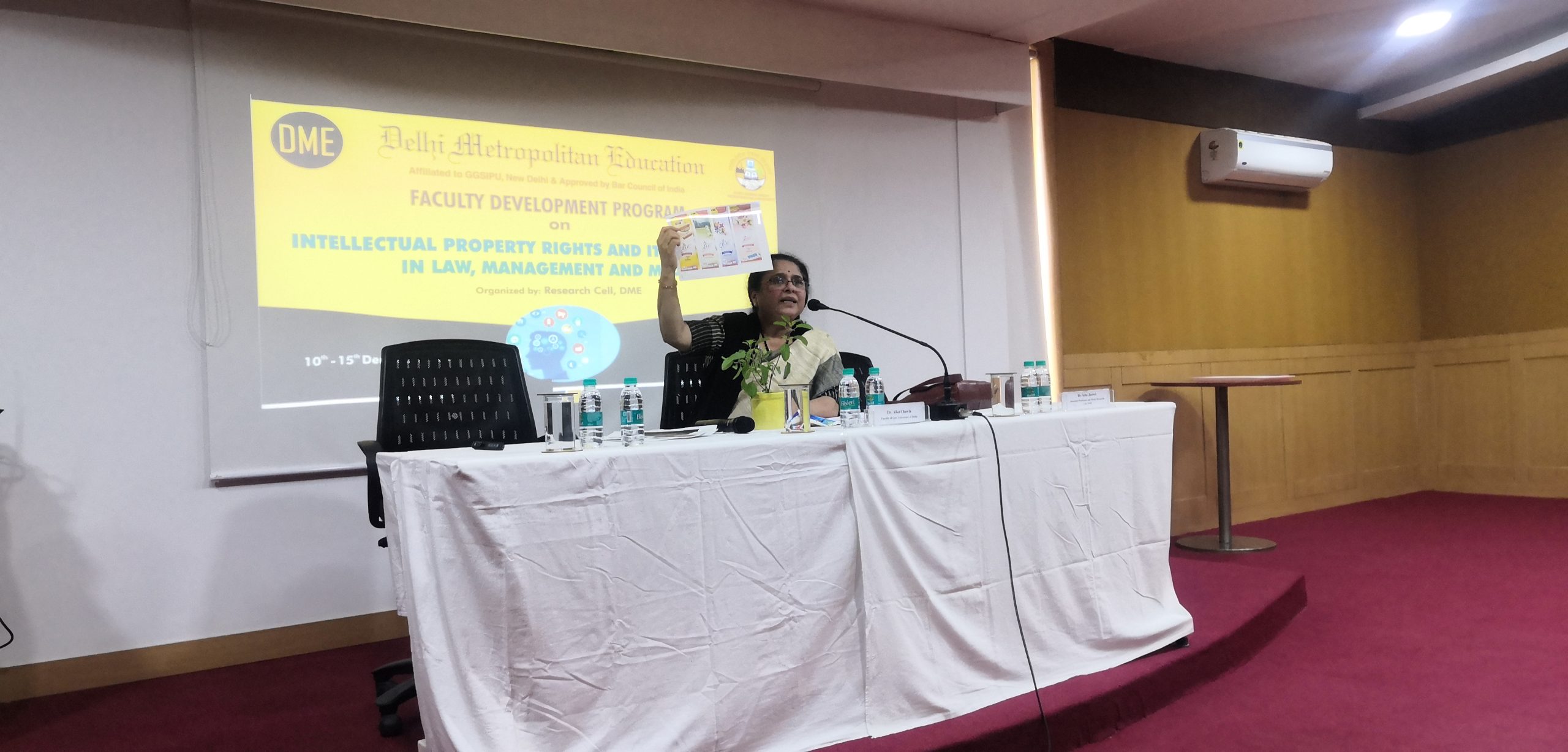
The Centre for Intellectual Property Rights (CIPR) at Delhi Metropolitan Education is committed to advancing academic excellence, policy engagement, and interdisciplinary research in the field of Intellectual Property Rights (IPR). It serves as a platform for critical dialogue and scholarly inquiry into both traditional and emerging areas of IP, including Traditional Knowledge, Patents, Trade Marks, Copyright, Trade Secrets, Artificial Intelligence, and their interface with Cyber Law and Competition Law. The Centre emphasizes rigorous, empirical, and interdisciplinary research, contributing meaningfully to contemporary debates on innovation, technology governance, market regulation, and equitable knowledge systems. By bridging the gap between theory and practice, CIPR actively engages students, researchers, practitioners, and policymakers in sustained academic discourse. In addition to research, the Centre promotes awareness, capacity-building, and skill development through expert lectures, workshops, panel discussions, quizzes, debates, and research competitions. Collaborations with national institutions and governmental bodies have strengthened its outreach, particularly in enhancing intellectual property awareness and academic integrity among students. CIPR also encourages student participation in research-driven discussions on pressing global issues such as public health, innovation policy, and the protection of traditional knowledge. Through these initiatives, the Centre aims to nurture socially responsible and professionally competent individuals equipped to address evolving legal and policy challenges in intellectual property law.
Email: cipr@dme.ac.in
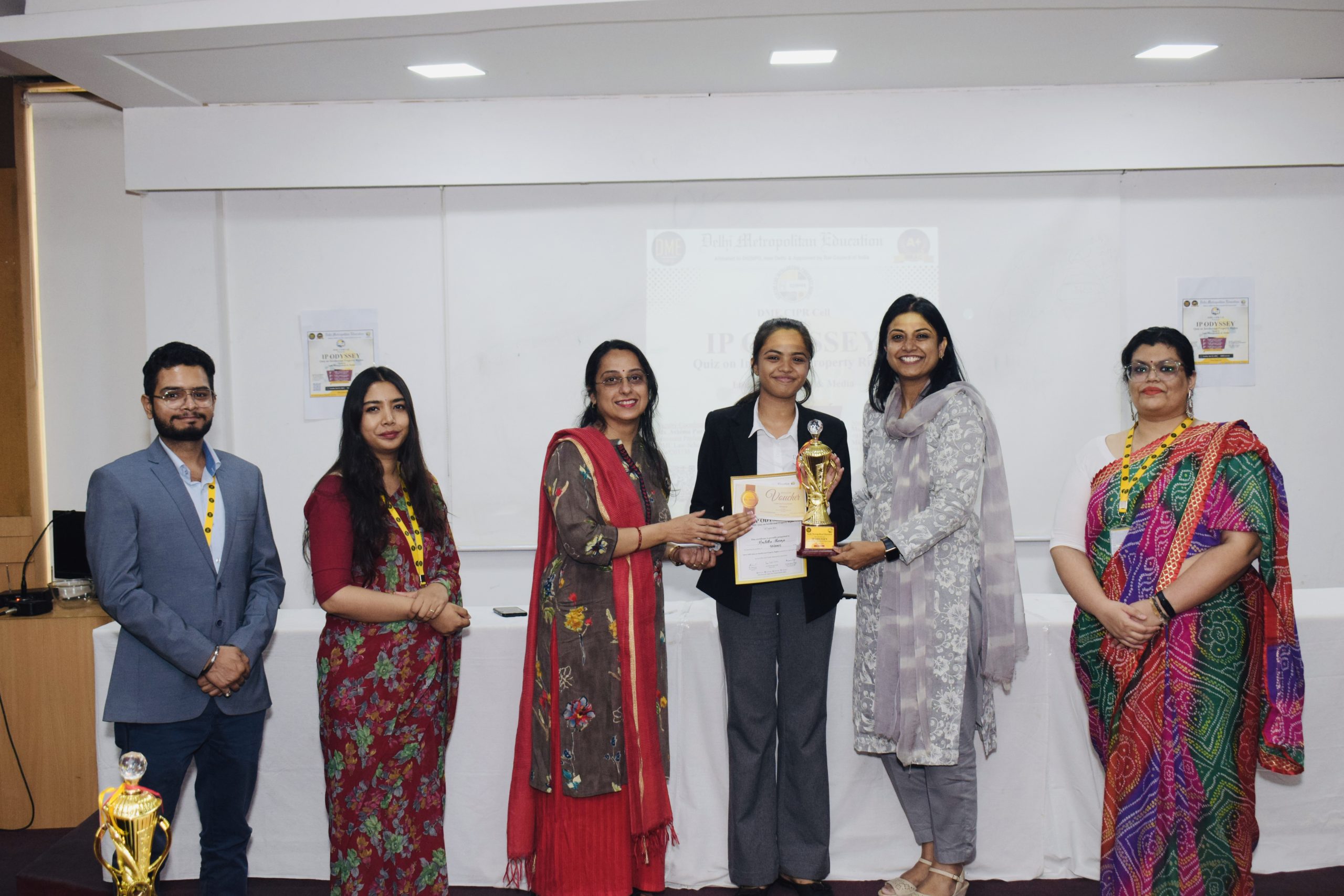
1. Workshop on IP Odyssey: The CIPR Cell at Delhi Metropolitan Education organized the IP Odyssey workshop with enthusiastic student participation and distinguished guests, promoting awareness and knowledge of Intellectual Property Rights.
2. Workshop on Practical Aspects of IPR – Filing of Trademarks and Design: The CIPR Cell organized an insightful workshop on the practical aspects of filing trademarks and designs, including an interactive session that enhanced students’ understanding of IPR procedures.
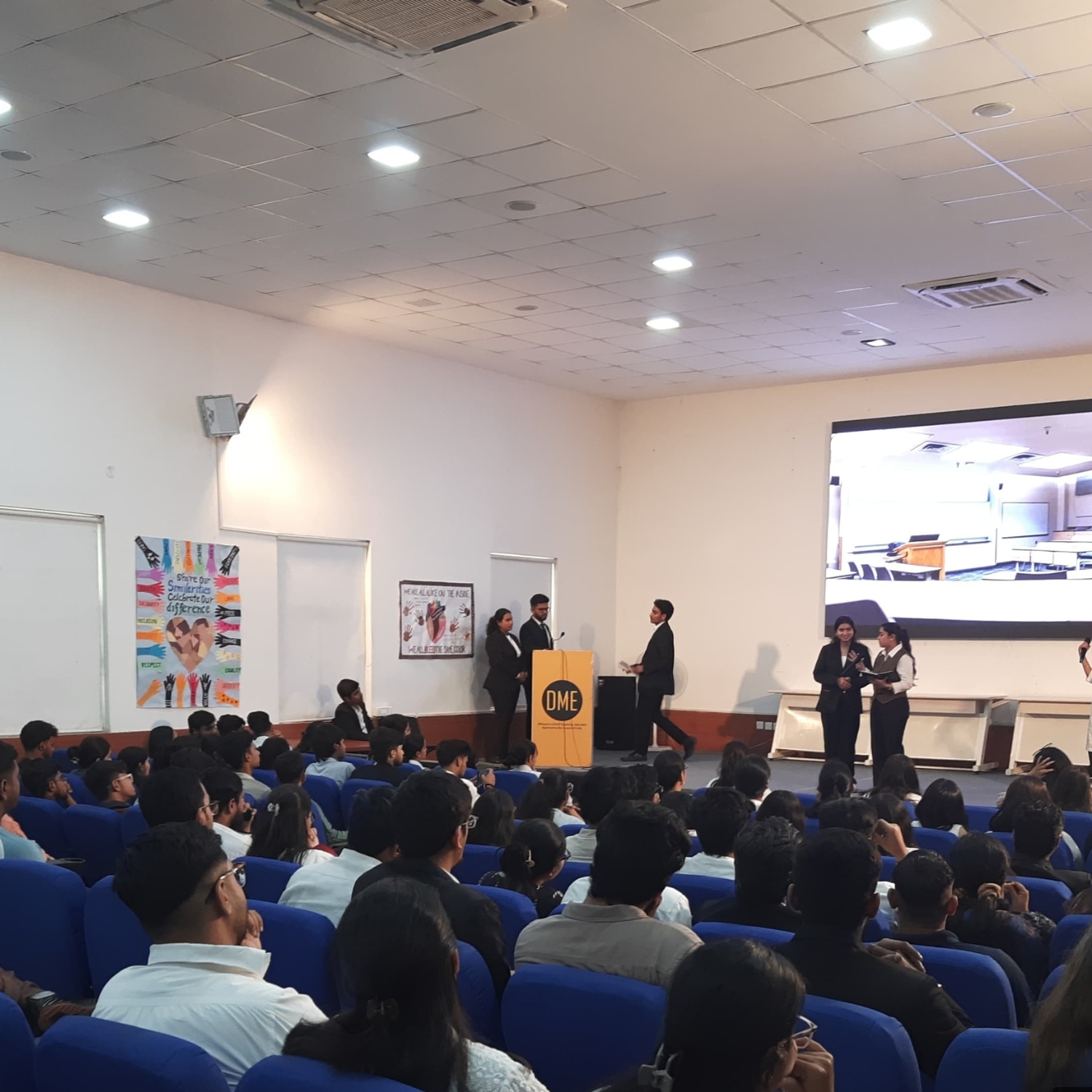
3. Workshop on The Case of the Stolen Idea: The CIPR Cell in collaboration with the DME Legal Aid Cell organized an engaging workshop featuring a skit, presentation, and interactive activities to help students understand practical issues related to Intellectual Property Rights.
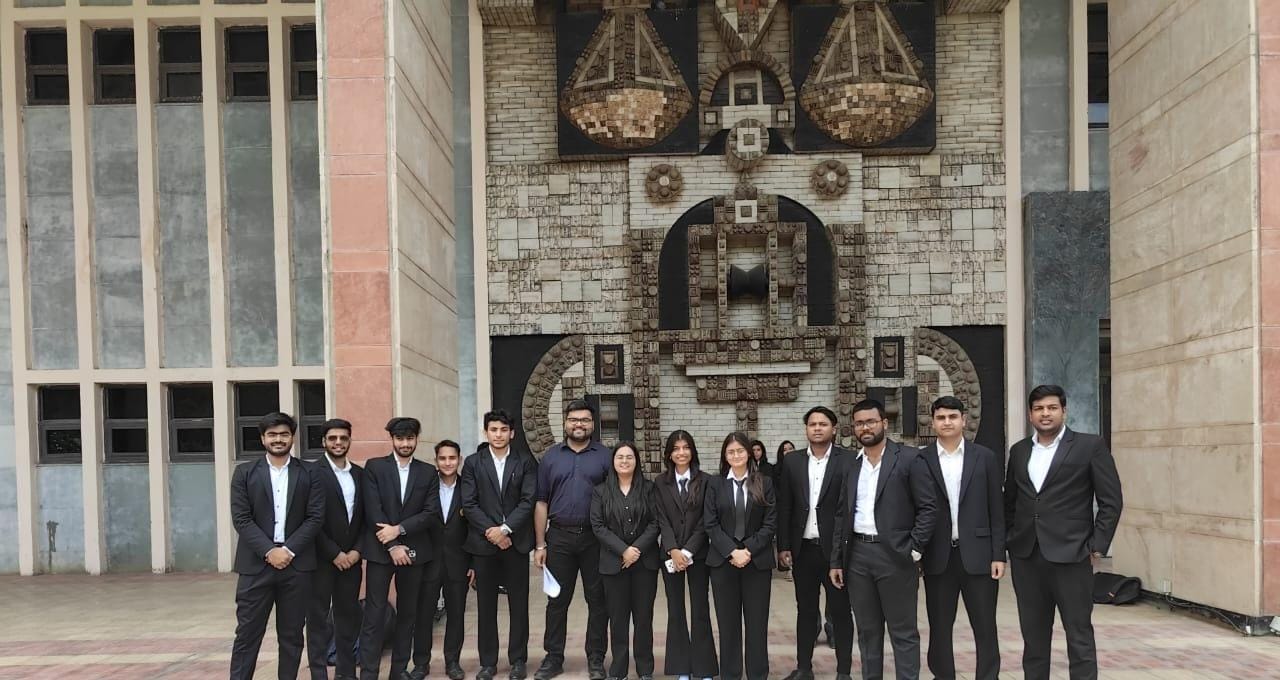
- On 7 May 2024, students of DME Law School visited the Delhi High Court for practical exposure to judicial proceedings. Organised by the Visits Committee and CIPR Cell, the visit enabled students to observe civil, criminal, constitutional, and IPR matters, followed by interaction with advocates, enriching their understanding of courtroom practice.
- CIPR Cell, DME Law School, organized an educational visit to the Bureau of Indian Standards (BIS), Noida, on 16 March 2026.
1. Seminar on the Sound of IP: The CIPR Cell of DME organized a seminar on intellectual property in the music industry, where experts discussed copyright, licensing, piracy, and mediation, providing practical insights into protecting creative works.
2. Symposium on Sustainable Development Goals and Intellectual Property Rights: The CIPR Cell, DME Law School, organized a symposium highlighting the connection between IPR and the UN Sustainable Development Goals, focusing on innovation, sustainability, and responsible development.
3. Clause & Counter: IPR Colloquium: The CIPR Cell hosted an academic colloquium where students presented on copyright in digital media and emerging IP challenges in the digital and AI-driven landscape.


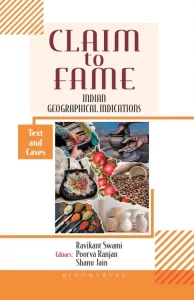
DME proudly publishes CLAIM to FAME: Indian Geographical Indications – Text and Cases, edited by Prof. RaviKant Swami, Prof. Poorva Ranjan, and Ms. Shanu Jain (ISBN: 978-93-54359-16-3), published by Bloomsbury Publications. The book explores India’s rich heritage through its Geographical Indications (GIs), highlighting renowned products such as Darjeeling Tea and Kashmiri Pashmina, along with various handicrafts, handlooms, and agricultural products. It examines the legal framework of GIs in India within the context of TRIPS and the WTO regime, while presenting case studies that reflect the experiences of artisans and farmers. The book also discusses stakeholder implications, branding, and market opportunities. Through this scholarly work, DME reaffirms its commitment to promoting quality research and academic excellence in law and allied disciplines.
In the year 2022, the following works were copyrighted:
| S.No. | Name of the Faculty | Title of the Paper |
| 1 | Prof Ravi Kant Swami | Itinerary of the polluting processes, from developed to developing nations: a case study of the global textile industry during the last 200years |
| 2 | Prof Poorva Ranjan | Nouveau corporate mantra: diversity, inclusivity &safe workplaces |
| 3 | Dr Shalini Gautam | Financial awareness in Indian youth and their socio-demographic background |
| 4 | Mr. Pramod Pandey | Ott augured new age cinema stardom |
| 5 | Ms. Shanu Jain | Metaverse: an emerging battlefield for improved customer experience |